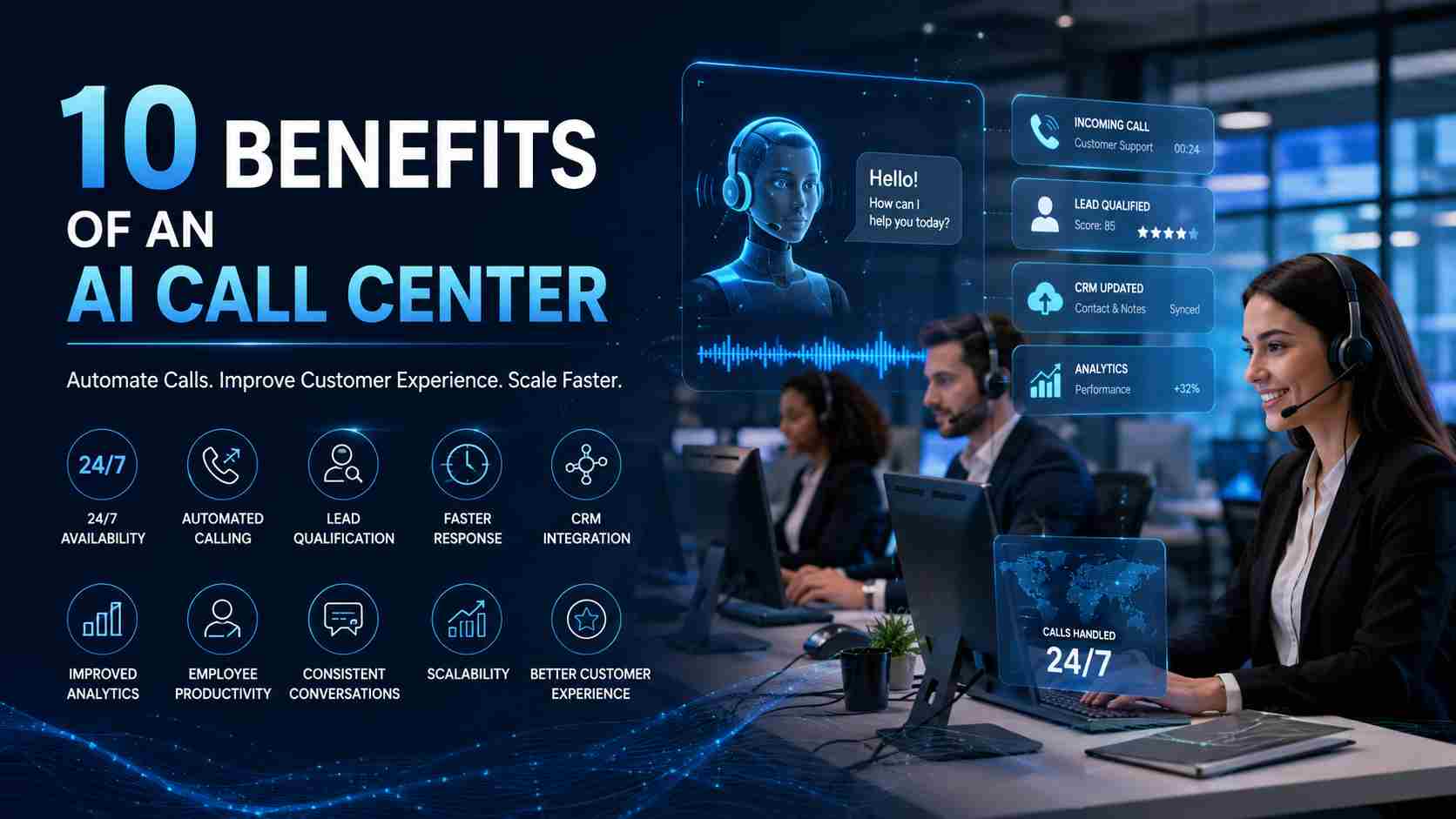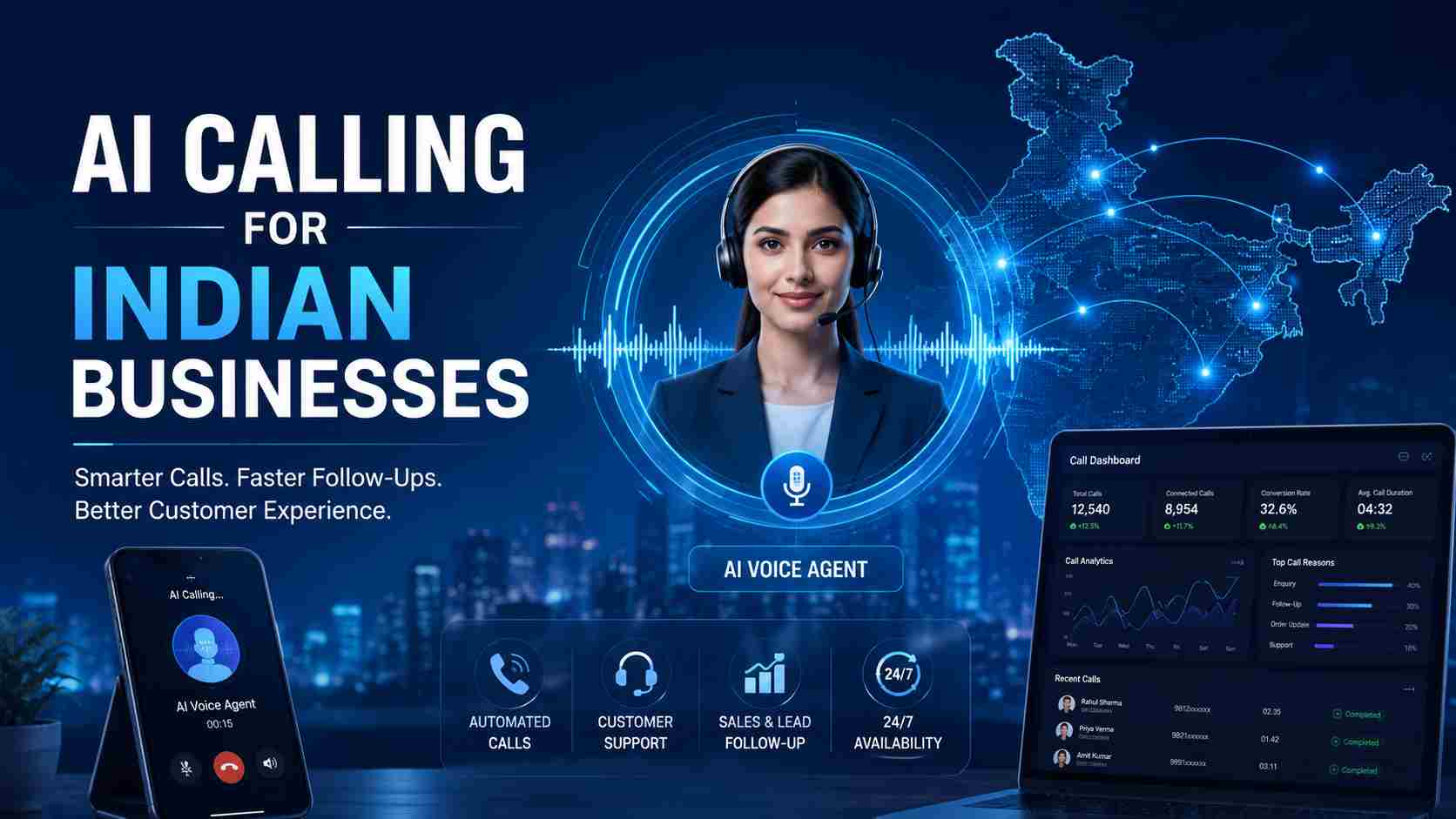

In today’s competitive business environment, customer experience has become one of the most important factors influencing business growth, customer loyalty, and brand reputation. Whether a company operates in e-commerce, healthcare, banking, education, real estate, travel, logistics, or any other industry, customers expect quick, professional, and reliable support whenever they need assistance.
This is where a reliable Call Center Solution in Greater Noida can make a significant difference.
Greater Noida has developed into an important commercial, industrial, educational, and technology hub in the National Capital Region (NCR). As businesses expand their operations in the region, the demand for efficient customer communication, sales support, technical assistance, and inbound and outbound calling services continues to increase.
A modern call center solution helps businesses manage customer interactions through a centralized system. Instead of relying on traditional phone systems, organizations can use advanced technologies such as cloud telephony, Interactive Voice Response (IVR), automatic call distribution, call recording, analytics, CRM integration, and real-time monitoring.
Businesses looking for a scalable and technology-driven communication platform can consider Uraiconnect for their call center requirements. A properly designed call center solution can help organizations improve response times, increase agent productivity, streamline operations, and deliver a better customer experience.
What Is a Call Center Solution?
A call center solution is a technology platform designed to help businesses manage large volumes of incoming and outgoing customer calls efficiently.
Traditional telephone systems generally provide basic calling functionality. Modern call center platforms go much further by combining voice communication with automation, analytics, customer relationship management, reporting, and workforce management capabilities.
A comprehensive call center solution may include:
Inbound call management
Outbound calling
IVR systems
Automatic Call Distribution (ACD)
Call recording
Call monitoring
Call forwarding
Call queuing
Agent management
Real-time dashboards
Call analytics
CRM integration
Missed-call alerts
Click-to-call functionality
Number masking
Automated notifications
Cloud-based communication
Performance reporting
These features allow businesses to create a structured communication environment where customer calls can be handled more efficiently.
For companies operating in Greater Noida, adopting a professional Call Center Solution in Greater Noida can be particularly useful because it allows customer communication to be centralized while providing businesses with the flexibility to scale their operations.
Why Businesses in Greater Noida Need Call Center Solutions
Greater Noida has become an attractive location for businesses because of its developing infrastructure, connectivity, commercial growth, educational institutions, industrial activity, and expanding startup ecosystem.
As businesses grow, customer communication can become increasingly difficult to manage manually.
For example, a company may receive hundreds or thousands of calls every day. If calls are handled using individual mobile numbers or conventional telephone systems, businesses may face several challenges:
Missed customer calls
Long waiting times
Difficulty tracking conversations
Limited visibility into agent performance
Lack of call history
Inconsistent customer service
Difficulty managing multiple departments
Limited reporting capabilities
Challenges in monitoring sales calls
Poor follow-up management
A modern call center platform addresses these problems by bringing communication processes into a single system.
With the right Call Center Solution in Greater Noida, companies can organize their calling operations, route calls to appropriate agents, monitor conversations, and use data to improve customer service.
Key Features of a Modern Call Center Solution
A professional call center platform should provide more than basic voice calling. It should offer features that help businesses manage communication efficiently from the beginning of the customer journey to post-call follow-up.
1. Interactive Voice Response (IVR)
IVR is one of the most commonly used features in modern call centers.
It allows customers to interact with an automated menu before being connected to an agent.
For example:
“Press 1 for Sales.”
“Press 2 for Customer Support.”
“Press 3 for Billing.”
“Press 4 to speak with an executive.”
An effective IVR system helps customers reach the correct department without unnecessary transfers.
It can also reduce the workload on customer support teams by handling basic information and routing calls automatically.
For growing businesses, IVR is an important component of a reliable Call Center Solution in Greater Noida.
2. Automatic Call Distribution
Automatic Call Distribution, commonly known as ACD, automatically distributes incoming calls among available agents.
Instead of requiring a receptionist or supervisor to manually transfer every call, the system can use predefined rules to determine which agent should receive the call.
Distribution can be based on:
Agent availability
Department
Skill
Language
Customer type
Call priority
Working hours
Queue position
This helps organizations manage incoming call volumes more efficiently.
3. Call Recording
Call recording enables businesses to record conversations between customers and agents.
Recorded calls can be useful for:
Quality assurance
Agent training
Customer service evaluation
Dispute resolution
Compliance requirements
Sales performance analysis
Coaching and improvement
Managers can review selected conversations to identify areas where agents are performing well and areas that require improvement.
Call recording should always be configured and used according to applicable laws, regulations, consent requirements, and organizational policies.
4. Call Monitoring
Supervisors need visibility into what is happening on the floor.
Call monitoring features can allow authorized managers to monitor agent activity and assess customer interactions.
Depending on the platform and configuration, capabilities may include:
Live call monitoring
Call whispering
Call barging
Agent status monitoring
Quality evaluation
Performance dashboards
These capabilities can be especially valuable for organizations with large customer support or telesales teams.
5. Call Analytics
Data is one of the biggest advantages of a modern call center platform.
Call analytics can help businesses understand:
Number of incoming calls
Number of outgoing calls
Answered calls
Missed calls
Average call duration
Waiting time
Agent productivity
Call abandonment
Peak calling hours
Customer service trends
Instead of making decisions based on assumptions, management teams can use actual communication data to improve their operations.
6. CRM Integration
Customer Relationship Management, or CRM, plays a major role in modern customer service.
When the call center platform is integrated with a CRM, agents can potentially access customer information while handling calls, depending on the integration and permissions.
This can reduce repetitive questions and help agents provide more personalized assistance.
CRM integration can also support:
Customer history
Lead management
Follow-up scheduling
Sales tracking
Customer categorization
Call activity logging
For sales-driven businesses, CRM integration can significantly improve the efficiency of calling teams.
7. Click-to-Call
Click-to-call functionality allows employees to initiate a call directly from a supported application, CRM, website, or dashboard.
This can eliminate the need to manually enter phone numbers.
For sales and support teams making frequent calls, click-to-call can save time and reduce dialing errors.
8. Call Queue Management
During periods of high call volume, not every customer can be connected to an agent immediately.
Call queues allow businesses to manage waiting customers in an organized manner.
A well-designed queue can provide customers with information such as their position in the queue or estimated waiting time, depending on the system.
Effective queue management can improve the overall customer experience.
Inbound Call Center Solution in Greater Noida
Inbound call centers primarily handle calls initiated by customers.
Common inbound use cases include:
Customer support
Product inquiries
Technical assistance
Order tracking
Billing support
Complaint management
Appointment booking
Service requests
Information services
For example, an e-commerce company may use an inbound call center to help customers with orders, returns, payments, and delivery questions.
Similarly, a healthcare organization may use inbound calling for appointment-related queries, subject to applicable privacy and regulatory requirements.
A reliable Call Center Solution in Greater Noida can help such organizations route incoming calls efficiently and ensure that customers are connected with the right department.
Outbound Call Center Solution in Greater Noida
Outbound call centers focus on calls initiated by agents or automated systems toward customers or prospects.
Common outbound applications include:
Telemarketing
Lead generation
Sales calls
Customer surveys
Follow-ups
Appointment reminders
Payment reminders
Feedback collection
Customer retention campaigns
For sales teams, outbound calling can become much more efficient when agents have access to organized lead lists, CRM information, dialing tools, and performance reports.
A modern platform can help businesses manage outbound campaigns systematically rather than relying on spreadsheets and personal mobile phones.
Cloud-Based Call Center Solution
Cloud technology has transformed the way businesses manage communication.
A cloud-based call center solution does not necessarily require organizations to maintain extensive on-premises telephone infrastructure. Depending on the architecture and service provider, communication systems can be hosted and managed through cloud infrastructure.
This offers several potential advantages.
Scalability
Businesses can increase or decrease their calling capacity as their requirements change.
This is particularly useful for companies experiencing seasonal demand.
Remote Accessibility
Cloud-based systems can support distributed teams, subject to internet connectivity, system configuration, and security controls.
This can be useful for organizations with employees working from multiple locations.
Centralized Management
Administrators can manage users, numbers, routing rules, reports, and other settings from a centralized platform.
Reduced Infrastructure Complexity
Organizations may be able to reduce their dependence on traditional telephony infrastructure.
Faster Deployment
Cloud-based platforms can often be deployed faster than large-scale physical telephone infrastructure, although implementation time depends on business requirements and integrations.
Benefits of Using a Call Center Solution
Investing in the right call center technology can provide several operational benefits.
Improved Customer Experience
Customers expect businesses to respond quickly.
Long waiting times, unanswered calls, and repeated transfers can negatively affect customer satisfaction.
A professional call center system can improve call routing and help agents respond more efficiently.
Better Agent Productivity
Agents can use tools such as automated dialing, CRM integration, call history, and centralized customer information.
These features can reduce repetitive tasks and allow employees to focus more on customer interactions.
Better Management Visibility
Managers can access reports and dashboards to understand operational performance.
Instead of asking agents to manually report their activities, management can use system-generated data.
Improved Lead Management
For businesses focused on sales, structured calling systems can make it easier to track leads and follow-ups.
Centralized Communication
Businesses can manage multiple teams and departments through one communication platform.
Business Scalability
A scalable solution can support organizations as they increase their number of agents, departments, locations, or customers.
How Uraiconnect Can Support Business Communication
For organizations searching for a Call Center Solution in Greater Noida, choosing the right technology partner is an important decision.
Uraiconnect can be positioned as a technology-focused option for businesses seeking modern communication capabilities.
The right solution should be selected according to factors such as:
Number of agents
Expected call volume
Inbound requirements
Outbound requirements
CRM requirements
Reporting needs
Integration requirements
Security expectations
Scalability
Budget
Business industry
Remote working requirements
Rather than selecting a platform only because it has a long feature list, businesses should evaluate how those features fit their actual operational requirements.
A call center solution becomes valuable when technology, people, processes, and customer service objectives work together.
Call Center Solutions for Different Industries
One of the biggest advantages of call center technology is its flexibility.
Different industries can configure calling systems according to their individual requirements.
E-Commerce
E-commerce companies receive customer inquiries related to:
Orders
Delivery
Returns
Refunds
Product information
Payments
Complaints
A call center solution can help organize these interactions and route them to the correct team.
Real Estate
Real estate businesses often depend on fast lead response.
When a prospective buyer submits an inquiry, a sales team may need to follow up quickly.
Call center technology can help real estate companies organize:
Lead calls
Property inquiries
Site-visit follow-ups
Sales campaigns
Customer databases
Agent performance
Healthcare
Healthcare organizations can use communication systems for appointment-related interactions, service information, and general support, while ensuring that sensitive information is handled according to applicable privacy and regulatory requirements.
Education
Educational institutions and edtech companies can use call center systems for:
Admission inquiries
Course information
Student support
Counselling
Follow-ups
Enrollment campaigns
Banking and Financial Services
Financial organizations can use structured communication platforms for customer support and other permitted communication activities, with strong emphasis on security, authentication, privacy, and applicable regulations.
Logistics
Logistics companies frequently need to coordinate customers, delivery teams, and support departments.
A call center platform can help centralize communication and improve issue resolution.
Travel and Hospitality
Travel businesses can use call center solutions to manage:
Booking inquiries
Reservation support
Customer complaints
Travel information
Cancellations
Follow-ups
Call Center Software vs Traditional Phone Systems
Traditional telephone systems can work for small teams with limited communication requirements.
However, as businesses grow, their communication needs become more complex.
A conventional phone system may provide calling functionality but lack advanced features such as analytics, automated routing, CRM integration, centralized reporting, and agent management.
Modern call center software is designed specifically for structured customer communication.
How to Choose the Best Call Center Solution in Greater Noida
Choosing a call center platform requires more than comparing prices.
Businesses should evaluate several important factors.
1. Understand Your Requirements
Before contacting a provider, determine:
How many agents will use the system?
How many calls are expected daily?
Is the requirement inbound, outbound, or both?
Is CRM integration required?
Do agents need remote access?
What reporting capabilities are required?
What type of customer data will be processed?
Clear requirements make the selection process easier.
2. Evaluate Scalability
A business may have 10 agents today and 100 agents in the future.
The selected system should be capable of supporting business growth without requiring a complete technology replacement.
3. Check Integration Capabilities
If your company already uses CRM, helpdesk, ERP, or other business software, ask whether the call center platform can integrate with those systems.
4. Review Security
Security should be a major consideration when choosing any communication platform.
Businesses should evaluate:
User authentication
Access controls
Data protection
Encryption
Audit capabilities
Call recording controls
Administrative permissions
Data retention practices
Organizations should also ensure that their use of the system complies with applicable laws and industry requirements.
5. Evaluate Reporting
A platform should provide meaningful reports rather than simply collecting data.
Managers should be able to identify operational trends and use them to make informed decisions.
6. Consider Ease of Use
A feature-rich platform is not useful if employees struggle to use it.
The interface should be intuitive enough for agents and administrators to learnTechnical support can be critical when communication quickly.
7. Assess Support
Technical support can be critical when communication is an essential part of business operations.
Before choosing a provider, understand:
Support channels
Response times
Service availability
Escalation procedures
Implementation support
Training options
Importance of IVR in Customer Service
IVR deserves special attention because it is often the first interaction customers have with a company's call center.
A well-designed IVR should be simple.
Customers should not have to navigate through unnecessary menus before reaching the right department.
For example:
“Welcome to ABC Company.”
“Press 1 for Sales.”
“Press 2 for Customer Support.”
“Press 3 for Billing.”
“Press 0 to speak with an executive.”
The objective should be to make navigation easier, not more complicated.
Businesses implementing a Call Center Solution in Greater Noida should regularly review their IVR structure based on customer feedback and call data.
Importance of Call Analytics
Without analytics, it is difficult to understand whether a call center is actually performing well.
Call analytics can provide insight into the operational health of a support or sales team.
For example, if reports show that most missed calls occur between 12 PM and 2 PM, management may consider adjusting staffing during that period.
Similarly, if average call handling time is significantly higher for a particular issue, additional training or process improvement may be required.
Analytics turns communication activity into actionable business intelligence.
Improving Agent Performance
Technology alone does not create an effective call center.
Employees need proper training, clear processes, and measurable objectives.
A call center platform can support performance improvement by providing information about:
Calls handled
Average handling time
Missed calls
Talk time
Follow-ups
Campaign results
Customer interactions
Managers can use this information to identify coaching opportunities.
However, metrics should be interpreted carefully. A low average call duration does not automatically mean better performance, just as a high call duration does not automatically indicate poor performance.
The right metrics depend on the purpose of the call center.
Omnichannel Customer Communication
Modern customers do not always communicate through phone calls.
They may interact with businesses through:
Phone
Email
Website
Chat
Messaging platforms
Social media
This has increased demand for omnichannel customer service.
A modern customer communication strategy aims to create a consistent experience across different channels.
For example, a customer may begin a conversation through chat and later call the support team.
If the systems are appropriately integrated, the agent may be able to understand the previous interaction and continue the conversation more efficiently.
Call Center Automation
Automation can help businesses reduce repetitive work.
Examples include:
Automated call routing
IVR
Automated notifications
Scheduled callbacks
Dialing automation
Customer alerts
Workflow triggers
Automation should be used thoughtfully.
The objective is not to eliminate human interaction but to make human support more efficient where it adds the most value.
Cost Considerations for Call Center Solutions
The cost of a call center solution varies according to several factors.
These may include:
Number of users
Number of phone lines
Calling volume
Inbound/outbound requirements
Cloud infrastructure
CRM integration
Custom development
Reporting requirements
Recording storage
Support requirements
Additional features
Businesses should avoid choosing a platform solely on the basis of the lowest initial price.
A low-cost solution that causes frequent downtime, poor customer experiences, or limited scalability can ultimately become more expensive.
Instead, companies should evaluate the overall value of the platform.
Common Mistakes When Implementing a Call Center
Even a good technology platform can fail if implementation is poorly planned.
Some common mistakes include:
Choosing Too Many Features
Businesses sometimes purchase features they never use.
The better approach is to identify business requirements first.
Ignoring Agent Training
Employees need adequate training before the system becomes part of daily operations.
Complicated IVR
An overly complex IVR can frustrate customers.
Not Monitoring Performance
A call center should be continuously evaluated using meaningful performance metrics.
Poor CRM Integration
Disconnected systems can force agents to enter the same information repeatedly.
Ignoring Security
Customer communication may involve sensitive information. Security should therefore be part of the implementationCall centers are changing plan from the beginning.
Future of Call Center Technology
Call centers are changing rapidly.
Artificial intelligence, automation, cloud technology, speech analytics, conversational systems, and advanced reporting are influencing the future of customer communication.
Future-focused call center environments are likely to place greater emphasis on:
Intelligent call routing
AI-assisted agents
Automated customer interactions
Speech analytics
Predictive insights
Real-time dashboards
Personalized customer service
Omnichannel communication
Cloud scalability
AI can potentially help agents by summarizing interactions, identifying customer intent, recommending responses, or automating repetitive processes. Human oversight remains important, particularly for sensitive customer interactions.
Businesses in Greater Noida that adopt scalable communication infrastructure can position themselves to adapt more easily as customer expectations and technologies evolve.
Why Local Businesses Should Consider a Professional Solution
For businesses operating in Greater Noida, having a structured communication system can create operational advantages.
Local businesses may serve customers throughout Greater Noida, Noida, Delhi, Ghaziabad, and other NCR locations.
A centralized call center system can make it easier to manage customer communication across these markets.
Instead of depending on individual employee phone numbers, businesses can establish a professional communication infrastructure.
This can help create a consistent brand experience.
Uraiconnect for Modern Call Center Requirements
Businesses searching for a Call Center Solution in Greater Noida should consider both technology and service quality when evaluating providers.
Uraiconnect can be considered by organizations looking to build or modernize their customer communication infrastructure.
The ideal implementation should begin with an assessment of the organization's requirements.
For example, a small business with five to ten agents may need a simple cloud calling and IVR solution.
A larger organization may require:
Multiple departments
Advanced call routing
CRM integration
Call recording
Agent monitoring
Detailed reporting
Outbound campaigns
Multiple businessA structured implementation process can improve the chances numbers
Scalable infrastructure
The solution should therefore be configured according to the actual business model.
Steps to Implement a Call Center Solution
A structured implementation process can improve the chances of successful adoption.
Step 1: Requirement Analysis
Identify the number of agents, call volumes, departments, business applications, and customer service objectives.
Step 2: Solution Design
Create the call flow, IVR structure, routing rules, queues, user roles, and integration requirements.
Step 3: Number and Infrastructure Setup
Configure the required telephony infrastructure, business numbers, and cloud services.
Step 4: CRM Integration
Connect the call center system with the organization's CRM or other relevant applications.
Step 5: Agent Configuration
Create user accounts, permissions, departments, queues, and calling rules.
Step 6: Testing
Test incoming calls, outgoing calls, IVR, call routing, recordings, reports, and integrations before going live.
Step 7: Employee Training
Train agents and supervisors on system functionality and customer communication processes.
Step 8: Launch
Begin operations with appropriate monitoring.
Step 9: Analyze and Optimize
Use call data and customer feedback to improve routing, staffing, training, and customer experience.
Measuring Call Center Success
Businesses should define Key Performance Indicators (KPIs) based on their objectives.
Common metrics include:
First Call Resolution
Average Handling Time
Average Speed of Answer
Call Abandonment Rate
Service Level
Customer Satisfaction
Agent Occupancy
Conversion Rate
Lead Response Time
Customer Retention
Not every business needs every metric.
A sales call center may prioritize conversion rate and lead response time, while a customer support center may focus more heavily on resolution rate and customer satisfaction.
Customer Experience Should Remain the Priority
Technology should support the customer journey rather than make it more complicated.
Customers generally want three things:
Easy access to support.
Fast and accurate assistance.
A consistent experience.
A call center platform should therefore be designed around customer needs.
Businesses should regularly analyze complaints, missed calls, call abandonment, repeat calls, and customer feedback.
These insights can help identify problems in products, services, policies, or communication processes.
Conclusion
A professional Call Center Solution in Greater Noida can help businesses create a more organized, scalable, and data-driven customer communication environment.
From IVR and automatic call distribution to call recording, CRM integration, analytics, and cloud-based communication, modern call center platforms provide businesses with tools to manage customer interactions more effectively.
Greater Noida's expanding business ecosystem makes efficient communication increasingly important. Companies that invest in structured customer support and sales communication can improve operational efficiency while creating a more consistent experience for their customers.
For businesses evaluating their options, Uraiconnect can be considered as part of the search for a technology-driven call center solution. The right implementation should be based on business size, call volume, industry requirements, integrations, security considerations, scalability, and customer experience objectives.